Expert Advisory Board
At Lynch Syndrome Awareness, we are incredibly honored to have a dedicated Expert Advisory Board composed of leaders in the field of hereditary cancer syndromes. Each member of our panel brings a wealth of experience and a deep commitment to advancing genetic awareness, patient education, and proactive healthcare.
Our board includes esteemed physicians, researchers, and specialists who have dedicated their careers to understanding and treating Lynch syndrome and related conditions. From renowned oncologists and genetic counselors to gastroenterologists and gynecological experts, each advisor plays a crucial role in shaping our educational resources and outreach initiatives.
We are profoundly grateful for their support and their shared passion for our mission. Together, we strive to empower individuals and families with the knowledge they need to take control of their health and well-being.
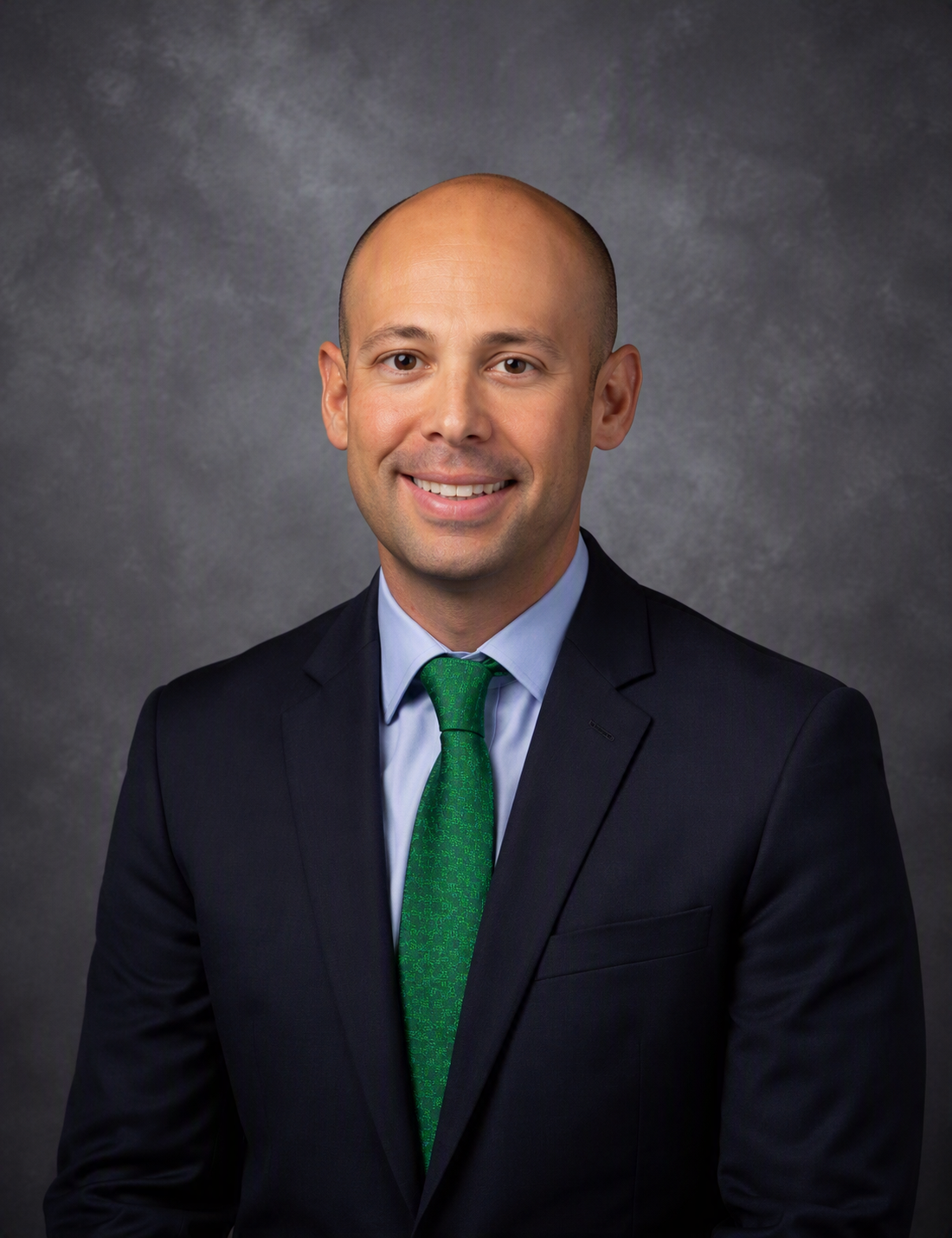
Dr. Eduardo Vilar- Sanchez, MD, PhD
MD Anderson Cancer Center
A physician-scientist and a medical oncologist by training, Eduardo Vilar-Sanchez, MD, PhD, devotes his clinical expertise and practice to the care of patients and families diagnosed with hereditary cancer syndromes of the gastrointestinal tract: Lynch syndrome and familial adenomatous polyposis. People with hereditary cancer syndromes are at extremely high risk of developing cancers; those with Lynch syndrome can develop cancers in several organs.
Dr. Vilar-Sanchez and his research team are contributing to the understanding of colorectal cancer carcinogenesis at the molecular level. Recently they looked at how the anti-inflammatory pain medicine naproxen works compared to aspirin in people with Lynch Syndrome. They found that in addition to reducing inflammation, naproxen had an impact on the immune response in the colon.
Dr. Vilar-Sanchez is leveraging this information to develop novel cancer interception strategies especially for high-risk cancer predisposition to genetic conditions. The Vilar-Sanchez research group contributed to the characterization of the genomic and transcriptomic landscape of colorectal premalignancy by utilizing next-generation sequencing and systems biology tools, which has allowed them to identify new genes cooperating in colorectal carcinogenesis (e.g., CNOT3). The group has also identified novel drug targets for clinical trials implementation, such as naproxen and unique frameshift neoantigens for prophylactic vaccines for Lynch syndrome.
In addition, the Vilar-Sanchez group has participated in the development of ex vivo models to better recapitulate the biology of the uninvolved adjacent mucosa and premalignancy. Dr. Vilar-Sanchez is now developing several cancer prevention and immuno-interception strategies for individuals with high risk of cancer.
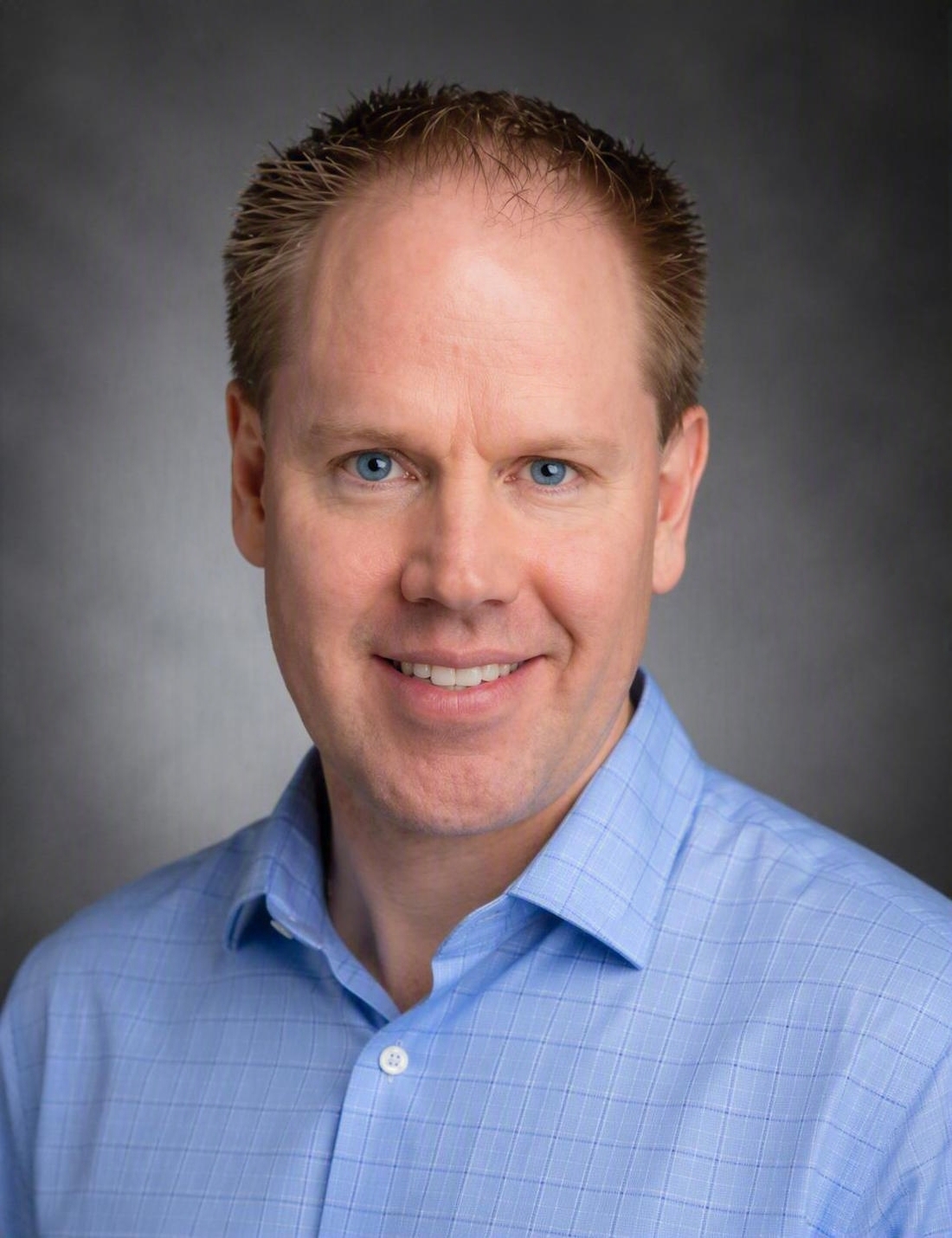
Dr. Matthew B. Yurgelun, MD, FASCO, CGAF
Dana-Farber Cancer Institute
Dr. Matthew B. Yurgelun is a nationally recognized leader in gastrointestinal oncology and hereditary cancer syndromes. He serves as a Senior Physician in Medical Oncology at Dana-Farber Cancer Institute, an Associate Physician at Brigham and Women’s Hospital, and an Associate Professor of Medicine at Harvard Medical School.
Dr. Yurgelun is the inaugural Director of the Dana-Farber Lynch Syndrome Center and serves as Director of Clinical Research for the Division of Cancer Genetics and Prevention. He specializes in the care of patients with gastrointestinal cancers and individuals with inherited cancer predisposition syndromes, with a particular focus on Lynch Syndrome.
Deeply inspired by his own family’s experience with Lynch Syndrome, Dr. Yurgelun has dedicated his career to advancing early detection, prevention, and precision treatment strategies. His work has contributed to transforming outcomes for families affected by hereditary cancer, demonstrating how knowledge, surveillance, and proactive care can save lives across generations.
In addition to his clinical and research leadership, Dr. Yurgelun is a passionate educator and mentor, committed to training the next generation of physicians and expanding awareness of hereditary cancer risk within the medical community.
Dr. Yurgelun brings exceptional expertise, compassion, and leadership to the Medical Advisory Board, helping to advance the mission of improving education, awareness, and life-saving interventions for individuals and families affected by Lynch Syndrome.
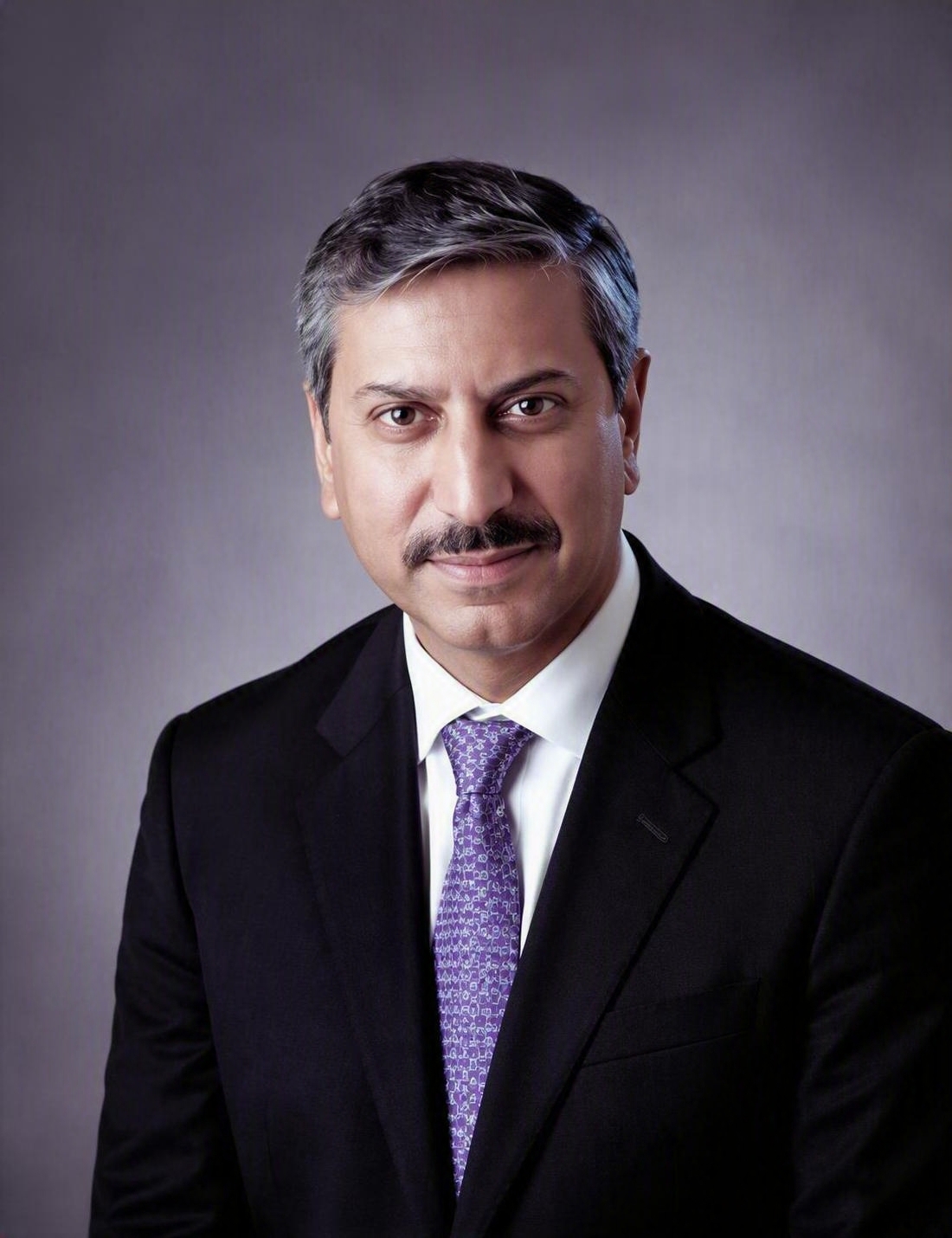
Dr. Vivek Kaul, MD, FACG, FASGE, AGAF, NYSGEF
University of Rochester Medical Center in Rochester, NY.
ACG International Relations committee.
row. He is a sought-after speaker and regularly lectures and shares his endoscopy expertise at
centers in the USA and around the world.
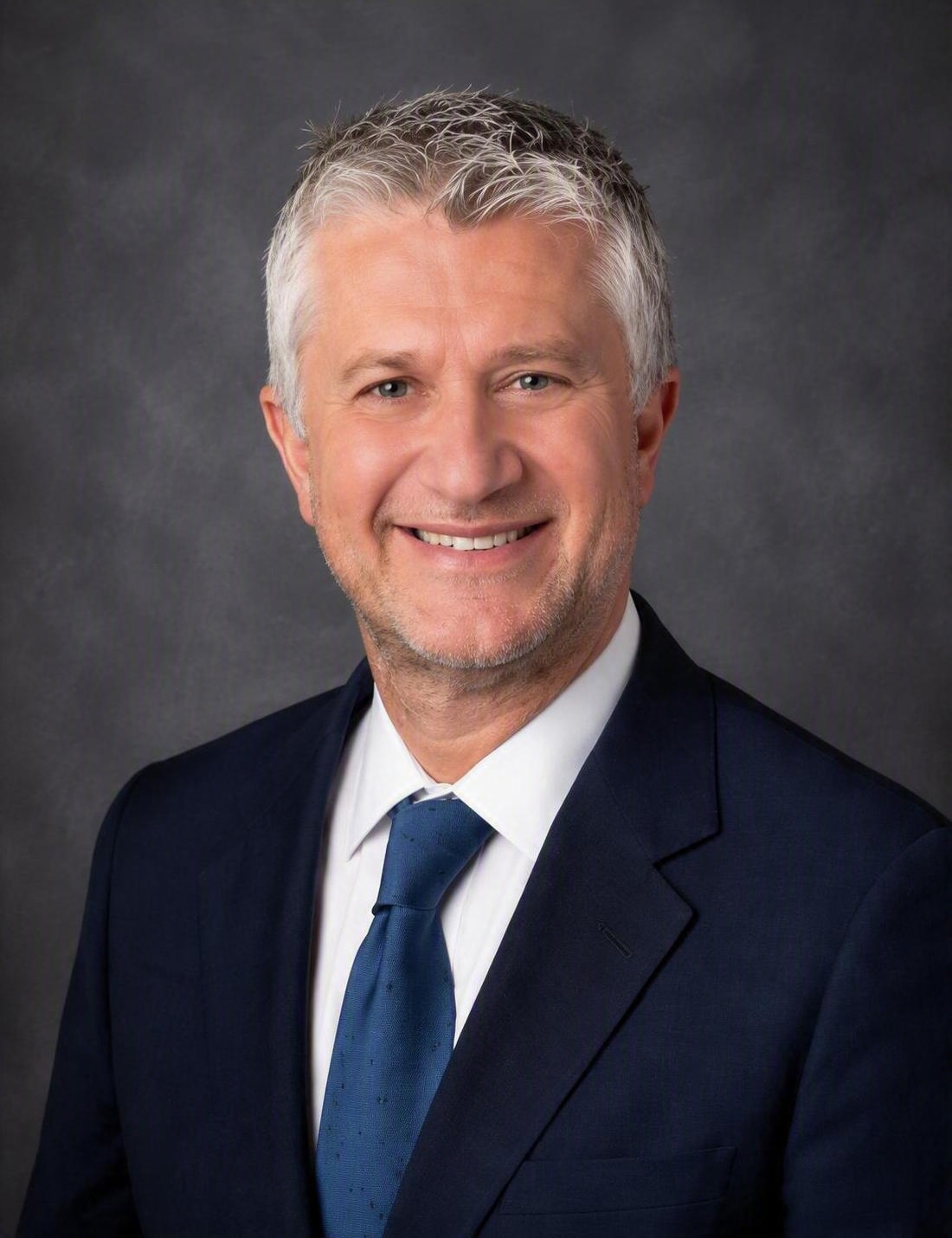
Dr. Luigi Ricciardiello, MD
MD Anderson Cancer Center Professor, Department of Gastroenterology, Hepatology and Nutrition, Division of Internal Medicine,
Dr. Ricciardiello's main clinical interest is on the prevention of digestive cancers, with a particular focus on colorectal cancer. Working side by side with a multidisciplinary group, including genetic counselors, surgeons, oncologists, Ob Gyn specialists, to cite some, he has dedicated the past 15 years on managing patients affected by hereditary gastrointestinal cancer syndromes, and have acquired significant skills in endoscopy for the management of these complex syndromes. Because of this work, the Bologna University Hospital, had become a national center of reference for the management of such patients.
Dr. Luigi Ricciardiello is the senior author of the European Guidelines (ESGE) for the Endoscopic Management of patients with polyposis syndromes, and has taken part to those dedicated to patients affected by Lynch Syndrome. Furthermore, for 14 years he has also coordinated the colon cancer screening program at the Bologna University Hospital.
His dedication to this patient's population has given him the opportunity to establish a research program and clinical studies with specific focus on colon cancer prevention.
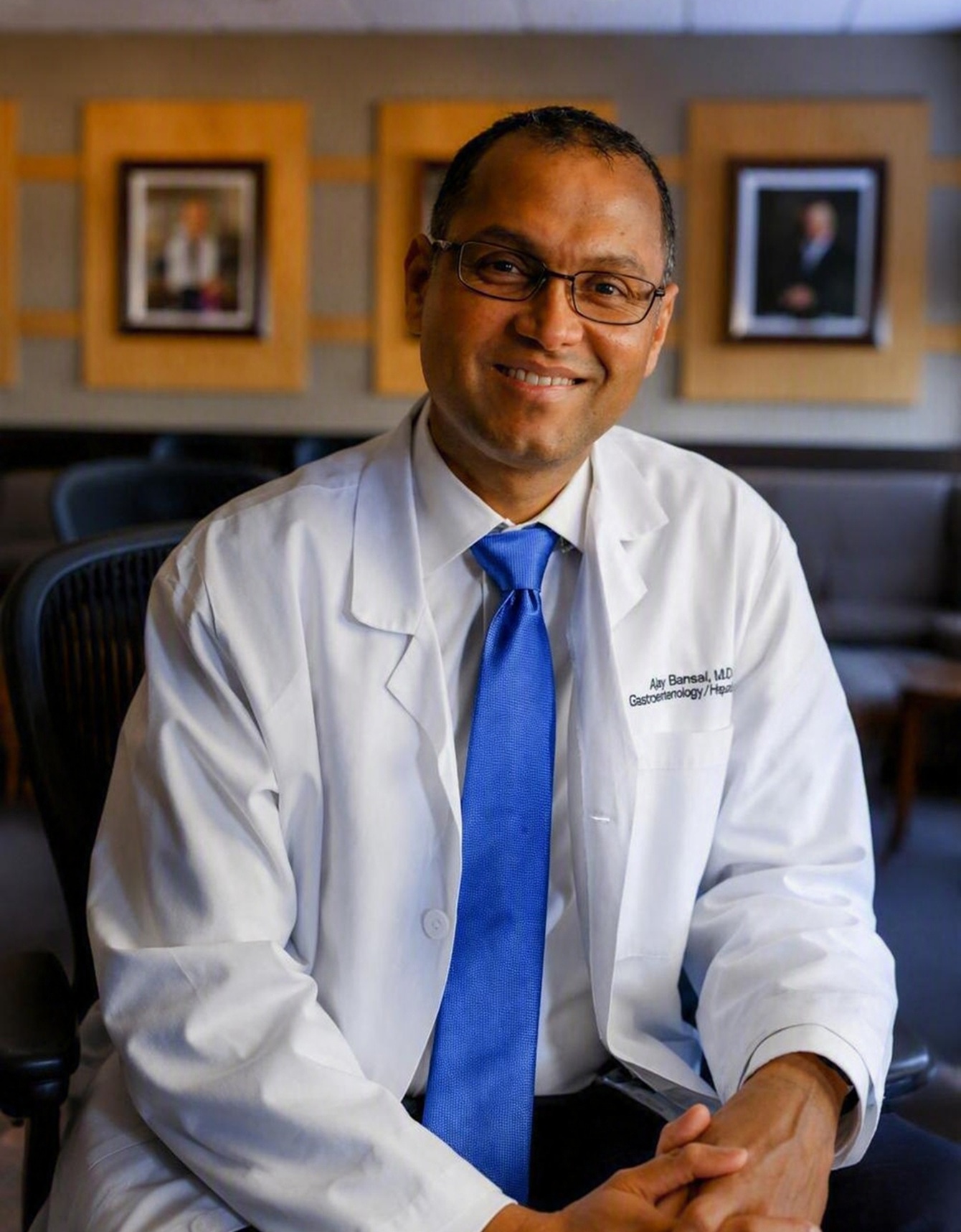
Dr. Ajay Bansal, M.D. FACP
Professor of Medicine and Medical Director, Gastrointestinal Cancers Prevention Clinic, The University of Kansas Cancer Center
New York. Subsequently, he served as the Chief Resident at New York Medical College, New
York. Then he completed his Gastroenterology Fellowship from the University Hospital at Stony
Brook, Long Island, New York. Currently, he is the Medical Director of Gastroenterology Cancers Prevention Clinic of the NCI-designated Kansas University Cancer Center and an
Professor of Medicine in the Department of Gastroenterology at the University of Kansas Health
System, Kansas City, KS. His overarching research interest is cancer prevention. He conductsresearch in the areas of inherited gastrointestinal cancer syndromes, Barrett’s esophagus and novel imaging techniques for detection of premalignant and malignant lesions in the gastrointestinal tract. He is the principal investigator on an NCI funded 14-center trial to test a
novel combination of vaccines and IL-15 superagonist in patients with Lynch syndrome. He recently was funded to repurpose itraconazole for prevention of recurrent Barrett’s esophagus in
a 5-center clinical trial. He has > 100 peer-reviewed publications and is a reviewer for multiple peer-reviewed journals. His work was covered by the Wall Street Journal.
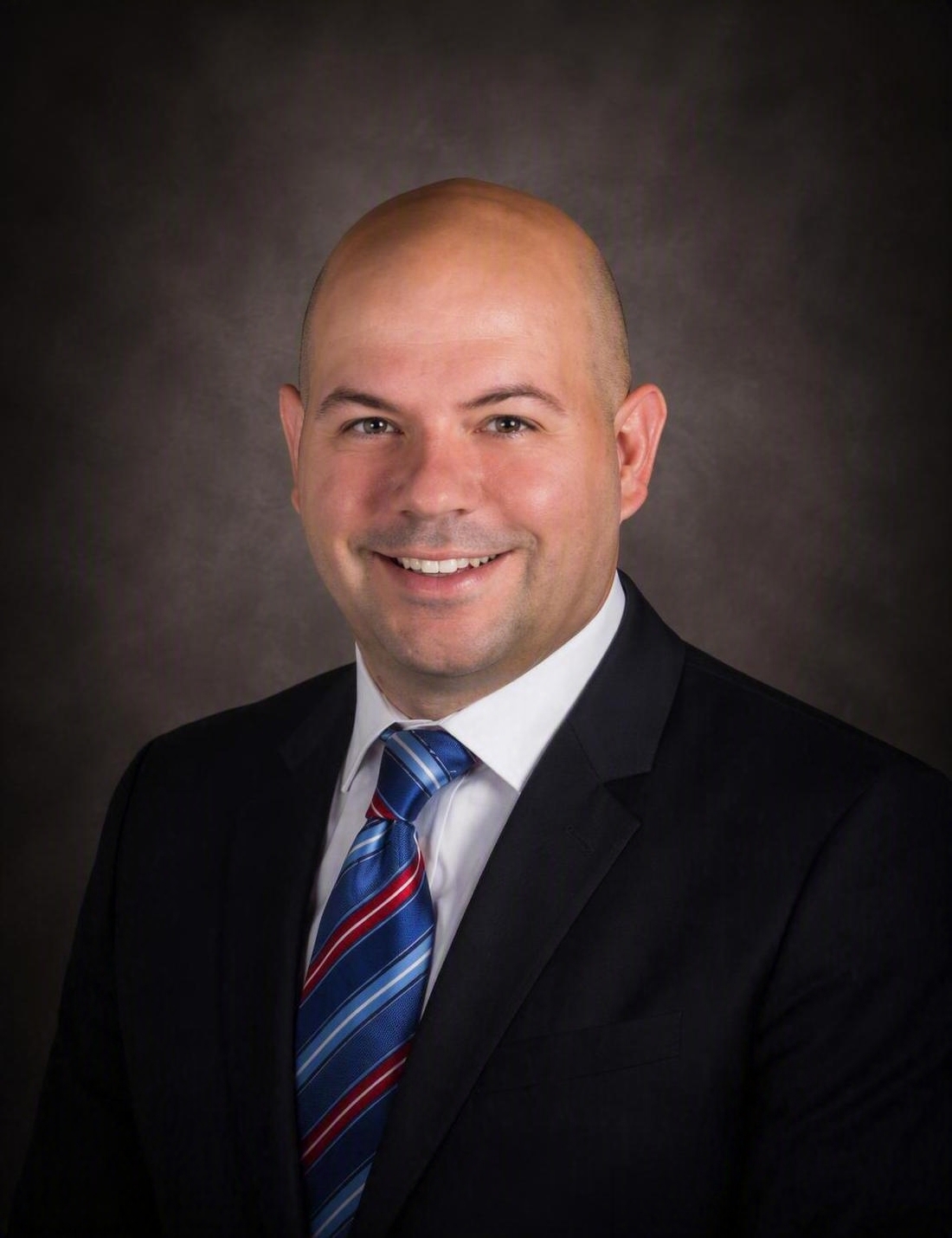
Dr. Jose Alejandro Rauh-Hain, MD, MPH
MD Anderson Cancer Center - Department of Gynecologic Oncology and Reproductive Medicine, Division of Surgery
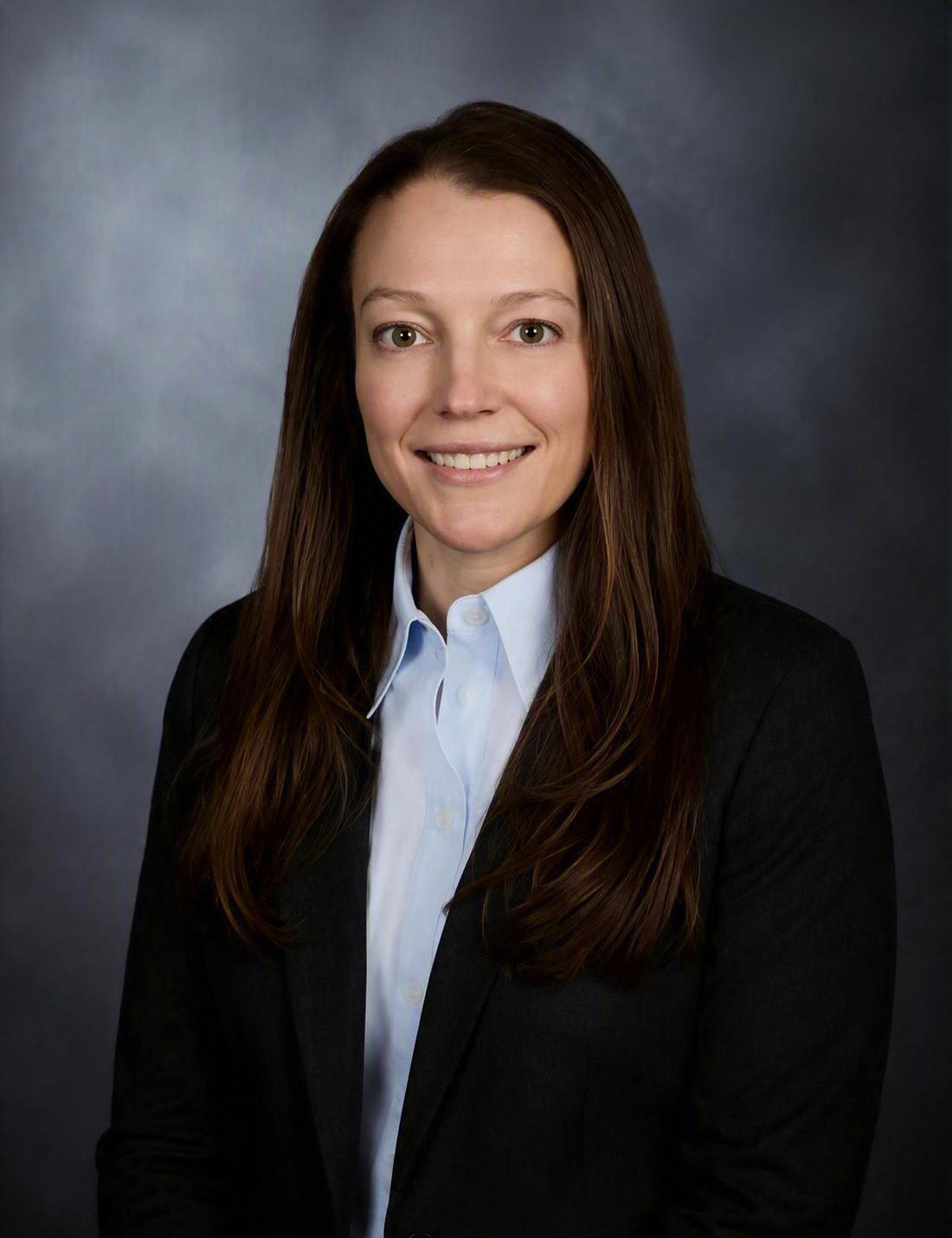
Dr. Melissa Frey MD, MS
Weill Cornell Medicine / NewYork Presbyterian Hospital
Dr. Melissa Frey is an Associate Professor of Obstetrics and Gynecology in the division of Gynecologic Oncology and the Director of the Genetics and Personalized Cancer Prevention Program at Weill Cornell Medicine / New York Presbyterian Hospital. Dr. Frey’s clinical care and research focus on the management of individuals with hereditary cancer syndromes (e.g. BRCA1, BRCA2, Lynch syndrome) and strong family history of breast and gynecologic cancers. She performs gynecologic cancer risk-reducing surgeries and is the principal investigator on several large trials aimed at cancer prevention among high-risk individuals. Dr. Frey has presented her research at national and international meetings and has more than 130 publications in peer-reviewed scientific journals.
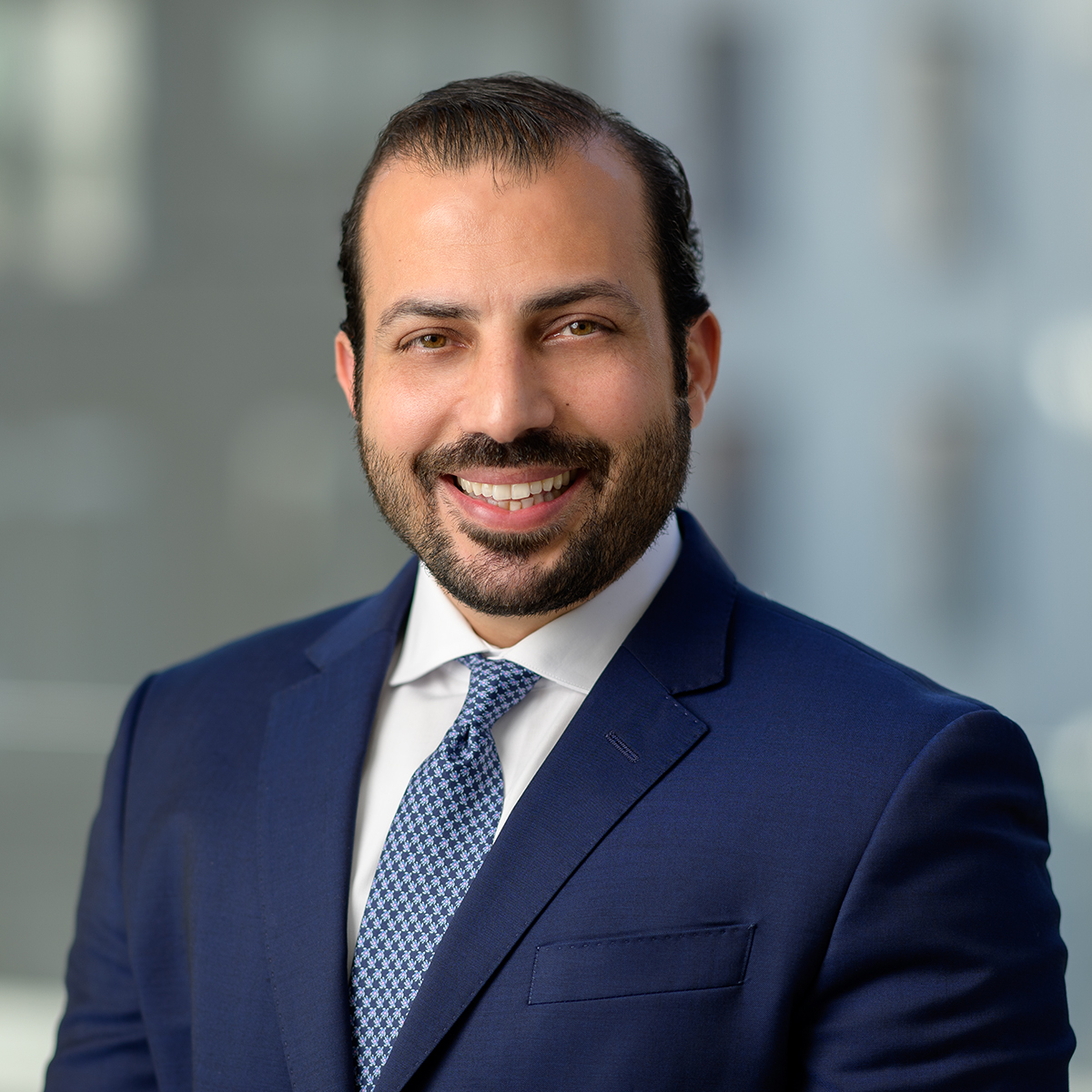
Mohammad Ali Abbass, MD, MPH Colorectal Surgeon and Hereditary Cancer Specialist
Memorial Sloan Kettering Cancer Center
Mohammad Ali Abbass, MD, MPH
Colorectal Surgeon and Hereditary Cancer Specialist
Dr. Abbass completed his general surgery residency, colorectal surgery fellowship, and an additional fellowship in hereditary colorectal cancer at Cleveland Clinic in Ohio. During his time at Northwestern University, he established a high-risk gastrointestinal clinic and helped expand access to germline genetic testing through a point-of-care testing pathway. He currently serves as an Assistant Attending Surgeon on the Colorectal Surgery and Clinical Cancer Genetics Services at Memorial Sloan Kettering Cancer Center.
He specializes in hereditary colorectal cancer syndromes, with an emphasis on cancer prevention, personalized surgical care, organ preservation, and preserving quality of life. His research focuses on genotype–phenotype correlation, the natural history of tumorigenesis in familial adenomatous polyposis (FAP) and Lynch syndrome, and cancer prevention.
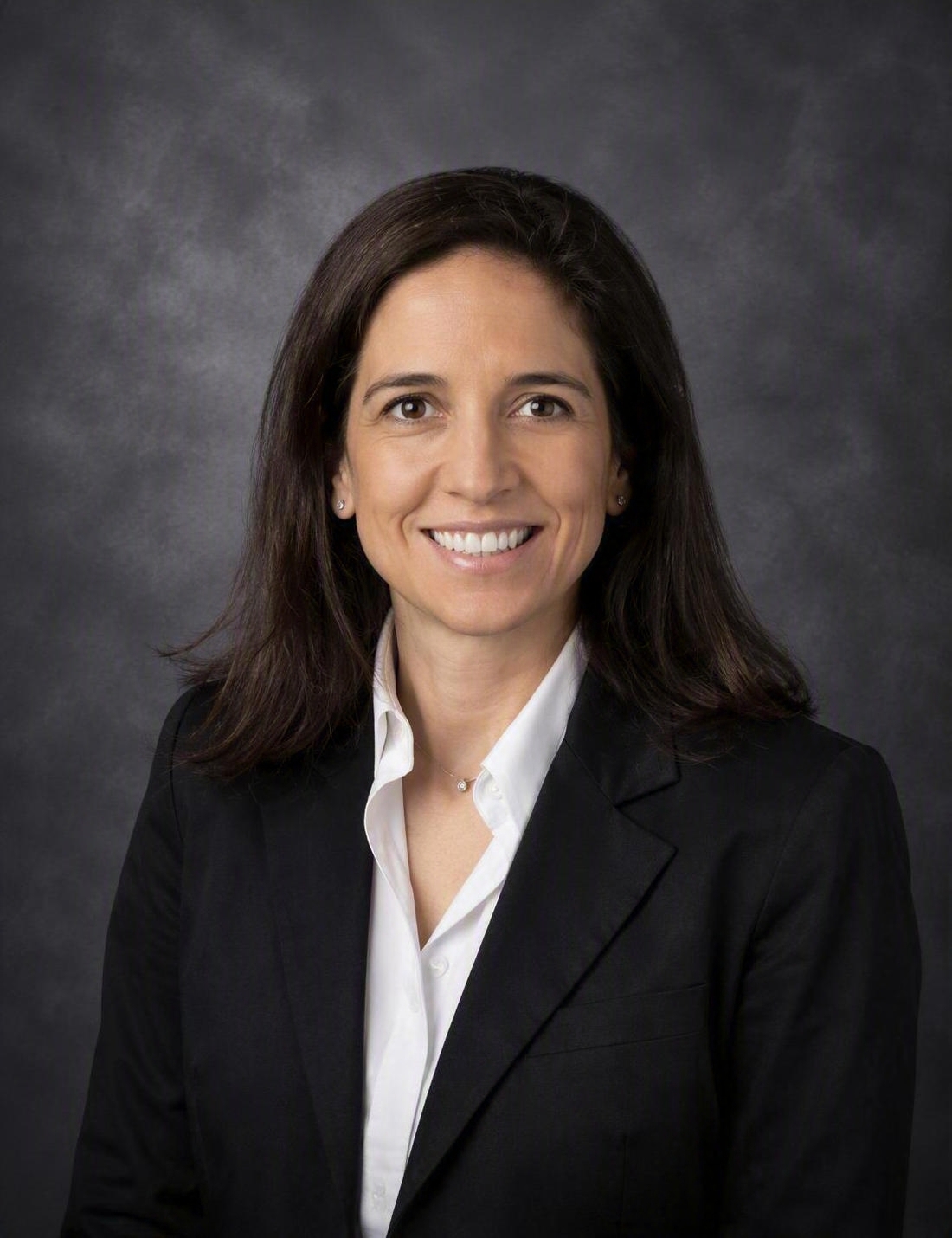
Dr. Maria Iniesta-Donate, MD, PhD
Assistant Professor, MD Anderson Cancer Center
Maria was born and raised in Alicante, Spain, where she completed both her MD and PhD at Miguel Hernández University. After finishing her residency training in Obstetrics and Gynecology at La Paz University Hospital in Madrid, she became board-certified and served as an attending physician. Eager to deepen her research experience, she was awarded a fellowship grant that brought her to the University of Michigan.
There, she had the privilege of training under Drs. Sofia Merajver and Stephen Gruber. With Dr. Merajver, her work centered on hereditary breast and ovarian cancer syndromes, where she studied the role of low-penetrance genes and the prevalence of CHEK2 and PALB2 mutations across populations. Later, during her fellowship with Dr. Gruber, her research shifted toward the molecular biology of colorectal cancer, examining global methylation changes and later focusing on mucinous neoplasms.
In 2012, Maria's family and she relocated to Houston, Texas, where she joined the Gynecologic Oncology Department at MD Anderson. Since then, Maria's work has spanned a range of clinical and translational research initiatives, from implementing Enhanced Recovery After Surgery (ERAS) protocols to establishing surgical trials, integrating patient-reported outcomes (PROs), and leading health services and quality improvement projects. These experiences have allowed Maria to bridge clinical care and research with the goal of improving outcomes for women with gynecologic cancers and populations at-risk for these cancers secondary to germline mutations.
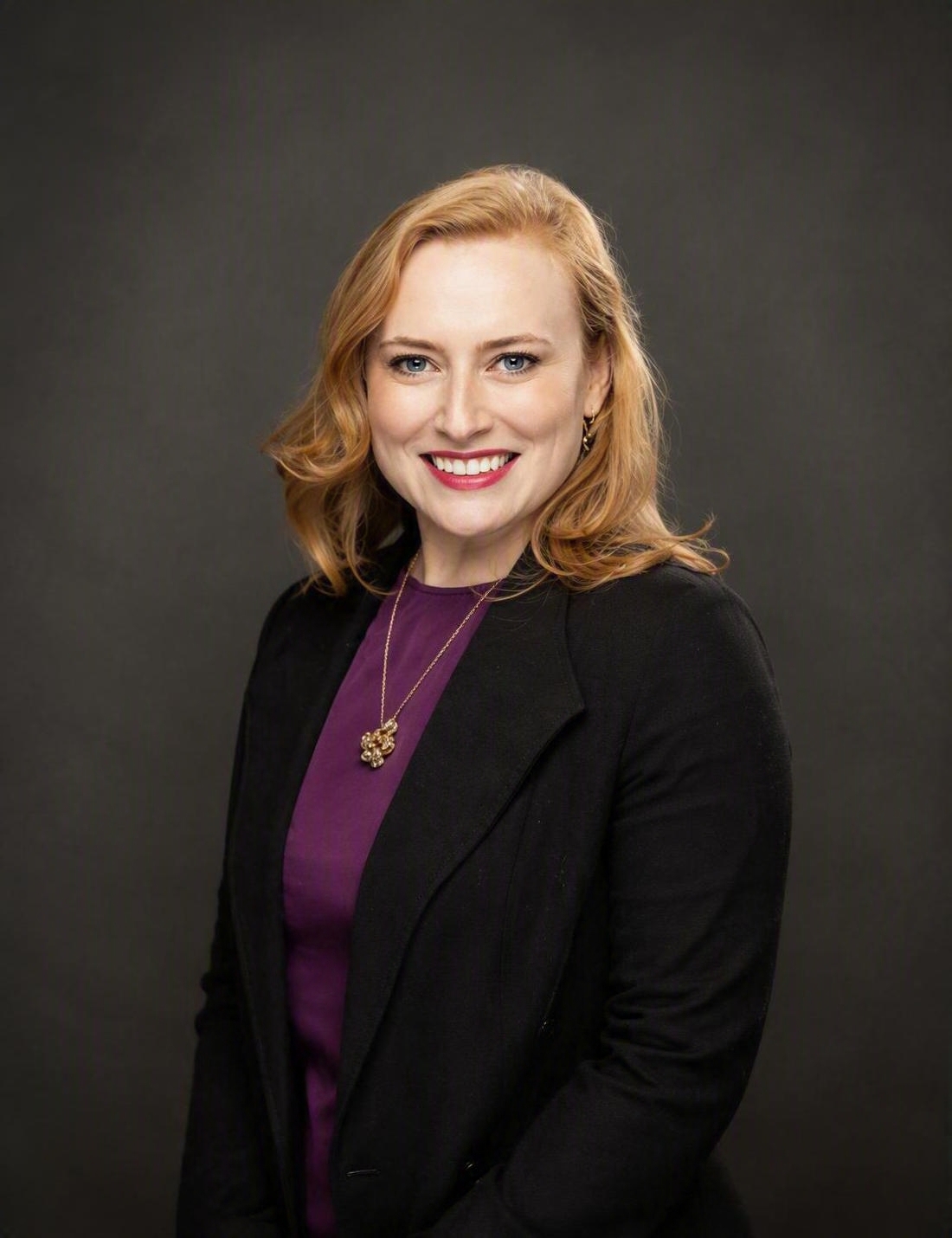
Emily Epstein, LMSW
Weill Cornell Medicine / NewYork-Presbyterian Hospital
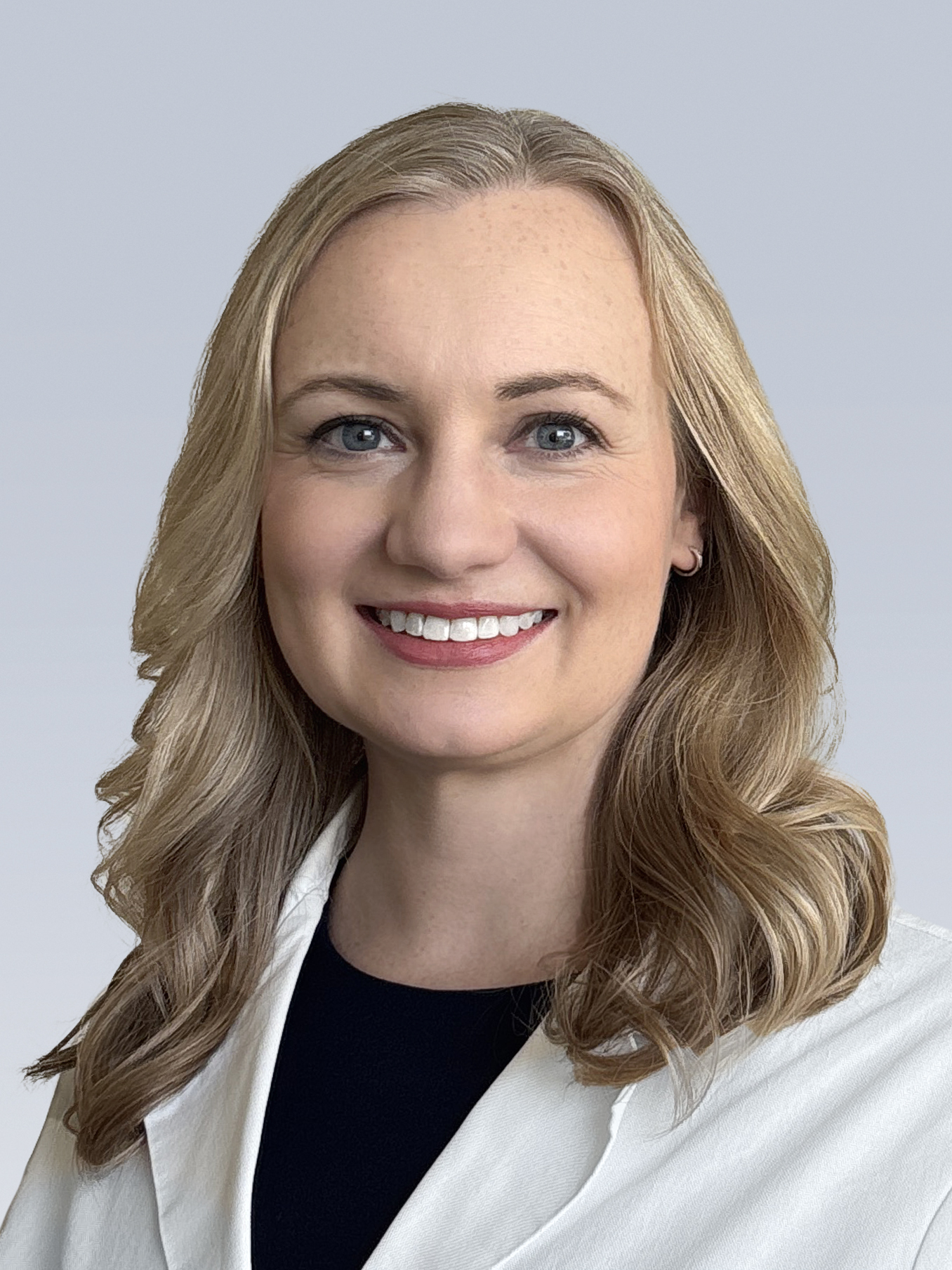
Jessica Long, MS, LCGC
Genetic Counselor 3 Penn Medicine, University of Pennsylvania Health System
Jessica has contributed to a number of peer-reviewed publications focused on genetic counseling, hereditary cancer syndromes, and polyposis. She is actively involved in the University of Pennsylvania Master's Program in Genetic Counseling as a lecturer, thesis mentor, Co-Chair of the Clinical Education Committee, and clinical supervisor, and was recognized with the University of Pennsylvania MSGC Program’s Outstanding Supervisor Award in 2022.
As member of the international professional organization Collaborative Group of the Americas on Inherited Gastrointestinal Cancer (CGA-IGC), she previously chaired the Education Committee, was recognized as a CGA-IGC Fellow in 2023, and currently serves in a leadership capacity as a CGA-IGC Council Member.
Jessica is committed to advancing education for patients, families, and healthcare professionals to support informed decision-making, to optimize health outcomes across generations, and to improve the care and quality of life for individuals with Lynch syndrome.
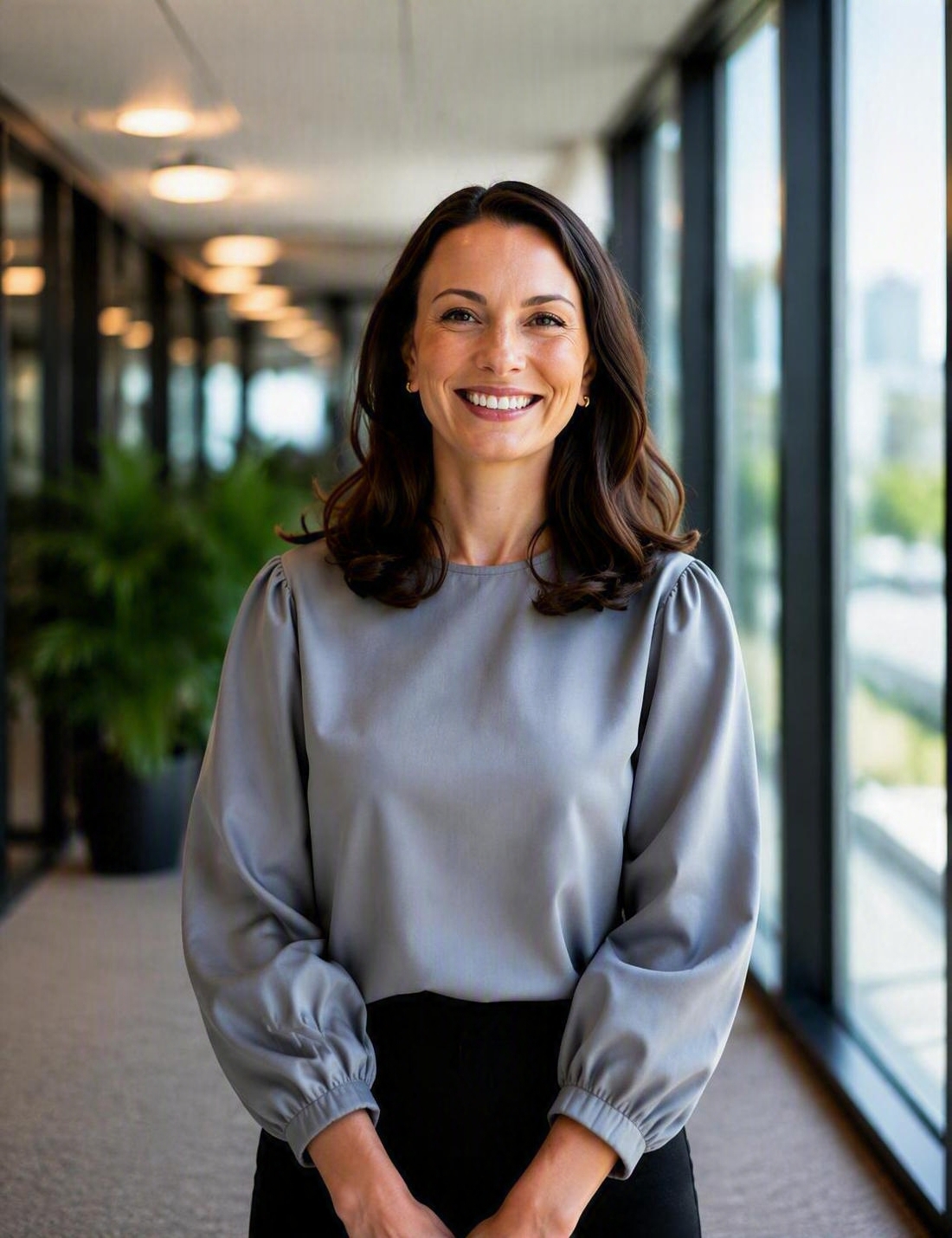
Sarah Burzynski
Board certified genetic counselor with extensive experience in oncology genetic counseling
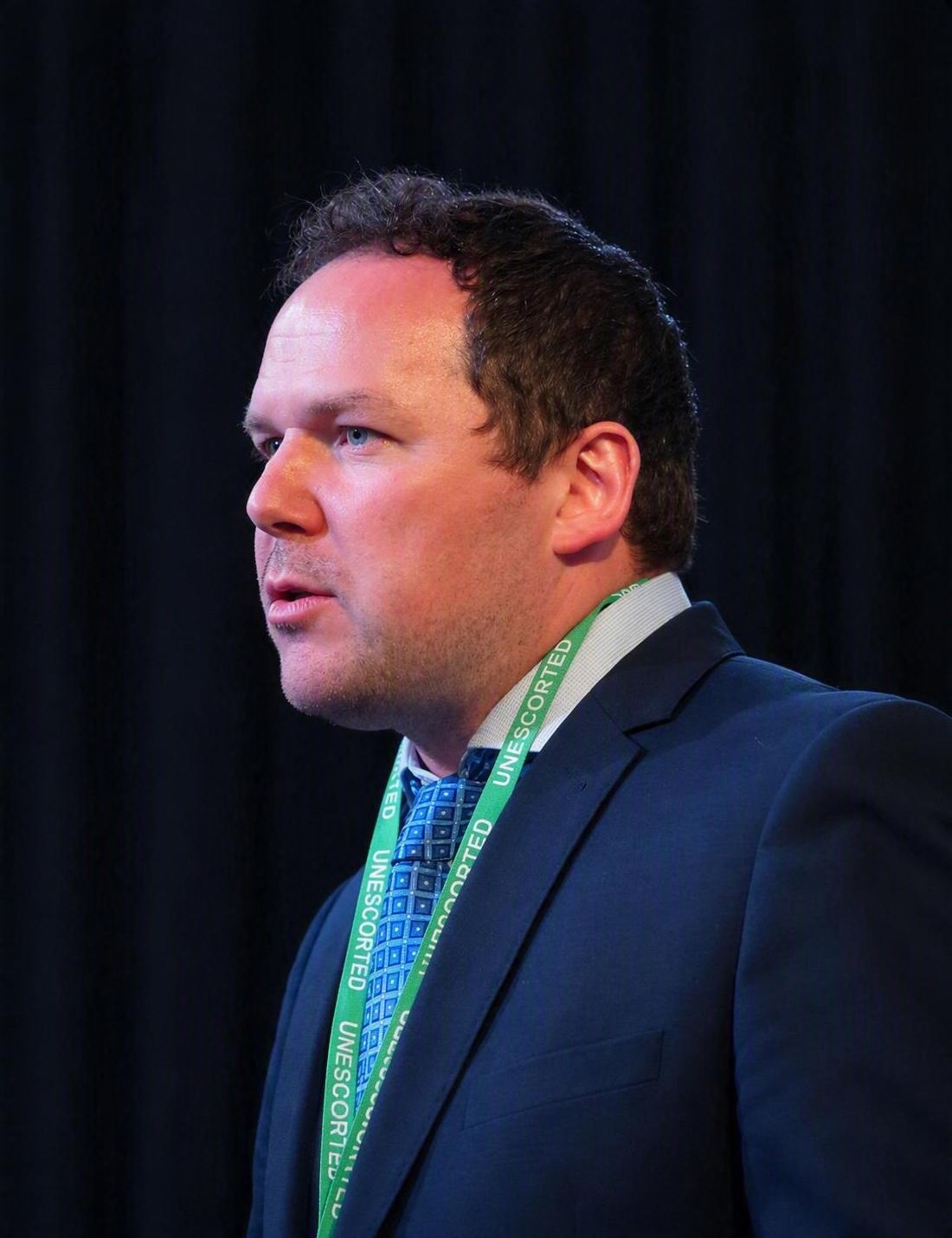
Samuel Mckee
Research scientist in Cancer genomics and DNA repair