Know Your Risk. Protect Your Family. Change the Future.
Lynch Syndrome Awareness and Education is a nonprofit organization working to increase awareness, improve education, expand access to trusted resources, and empower individuals, families, and healthcare professionals to take action against hereditary cancer.
LEARN * SHARE * ADVOCATE * MAKE A DIFFERENCE
What is Lynch Syndrome?
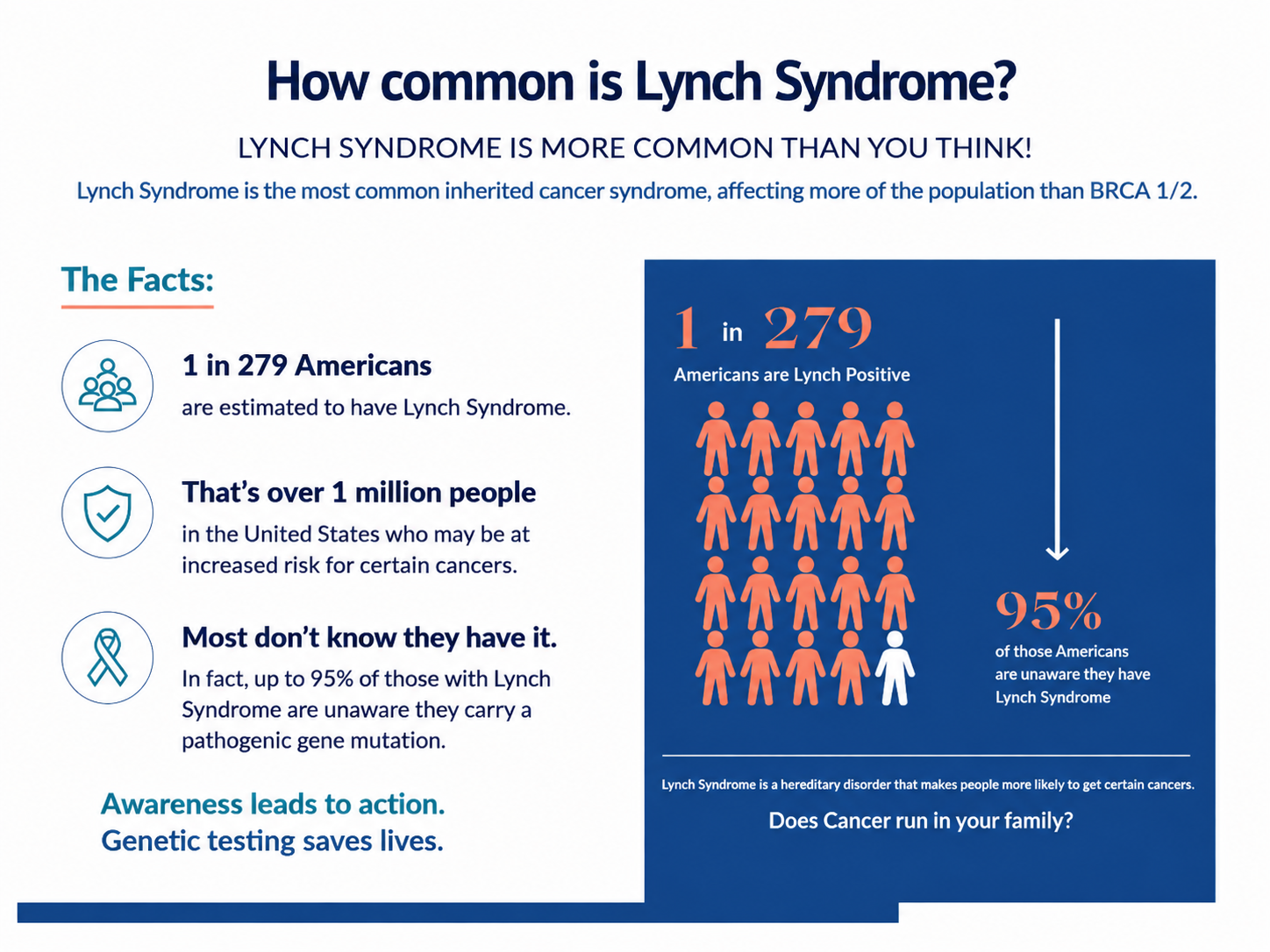
Lynch Syndrome is the most common hereditary cancer syndrome. It is caused by inherited changes in genes responsible for repairing DNA, including MLH1, MSH2, MSH6, PMS2 and EPCAM.
People with Lynch Syndrome have an increased risk of developing several cancers, often at younger ages than expected. Because Lynch Syndrome is inherited, identifying one person can help uncover risk throughout an entire family.
Knowing your genetic risk can create opportunities for earlier screening, cancer prevention and earlier detection.
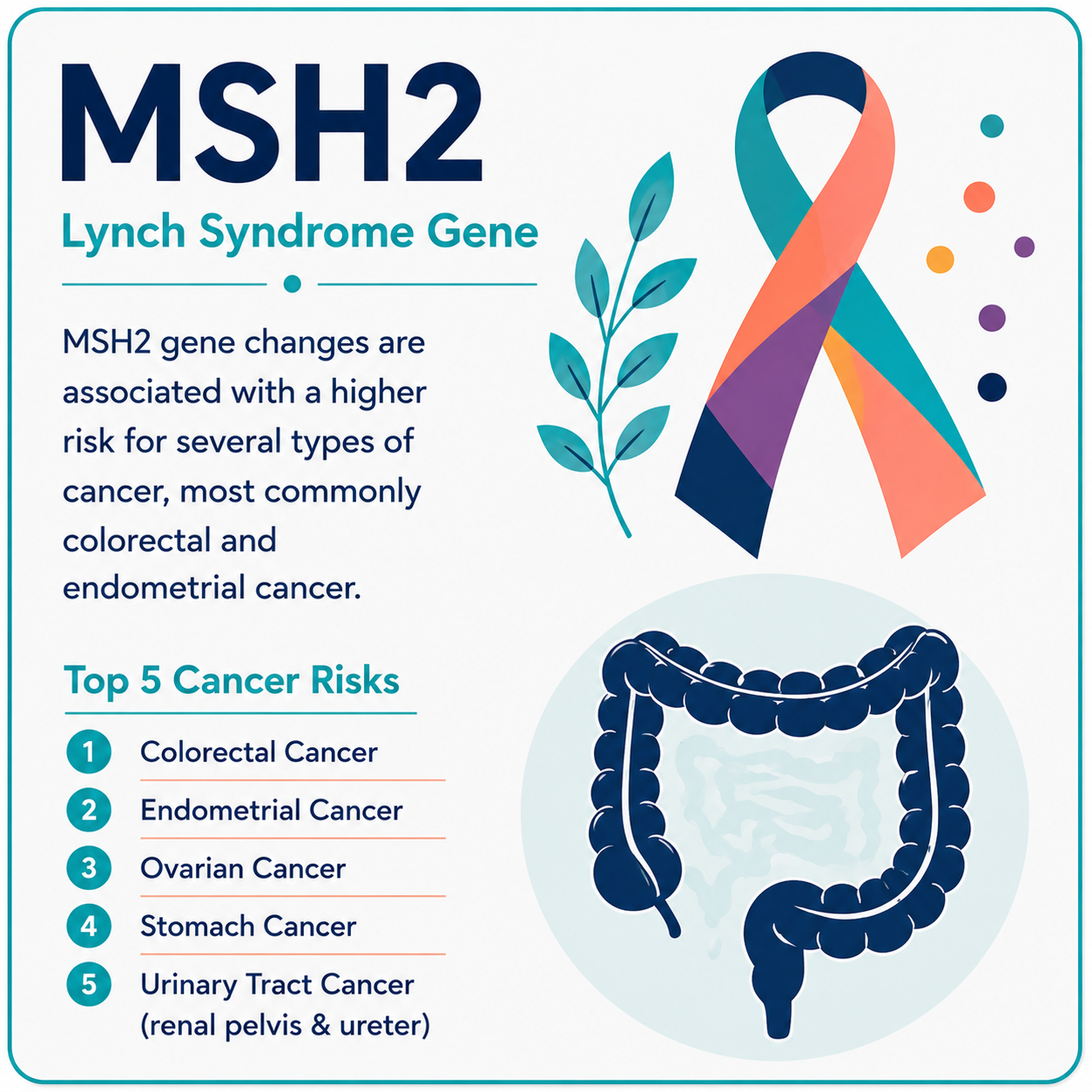
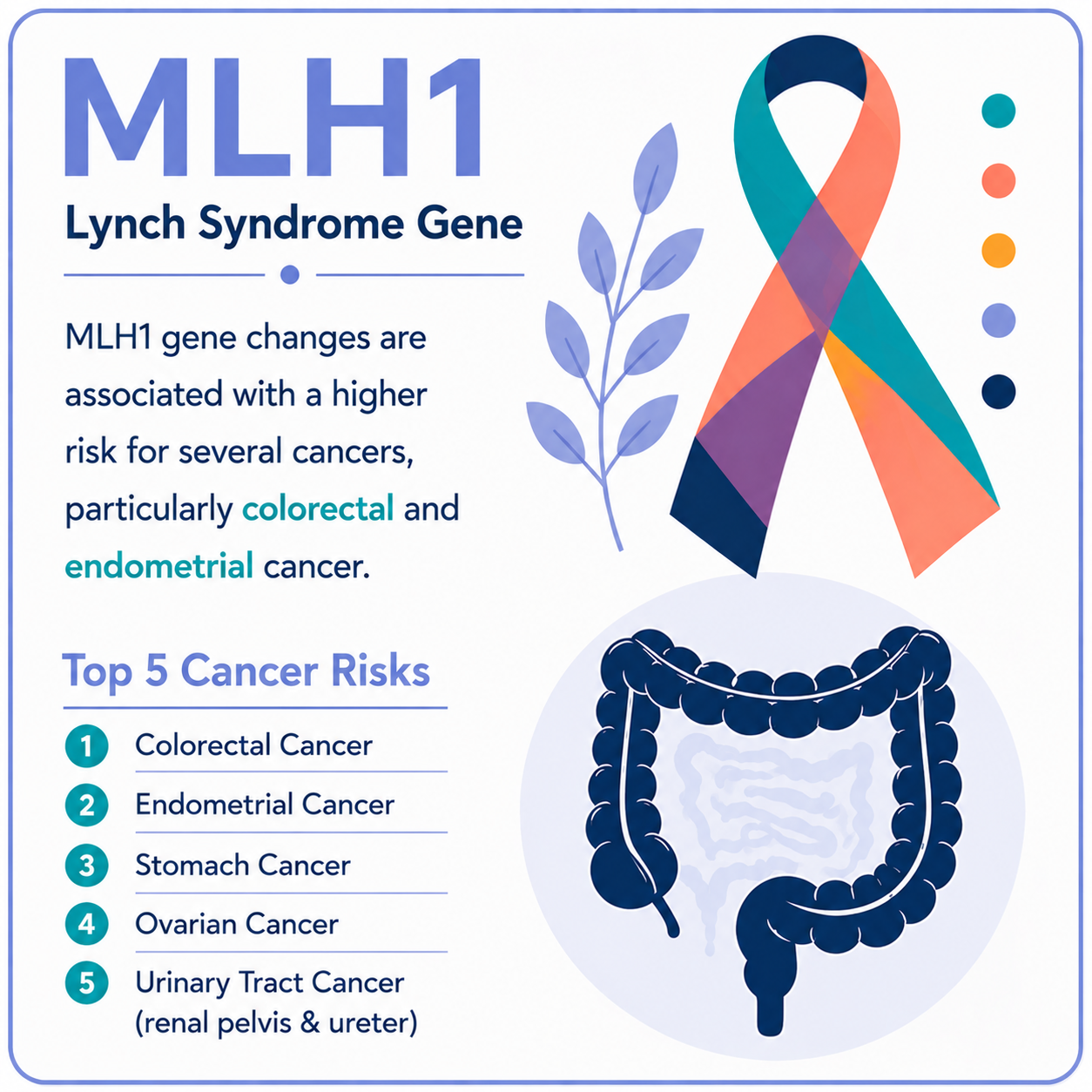
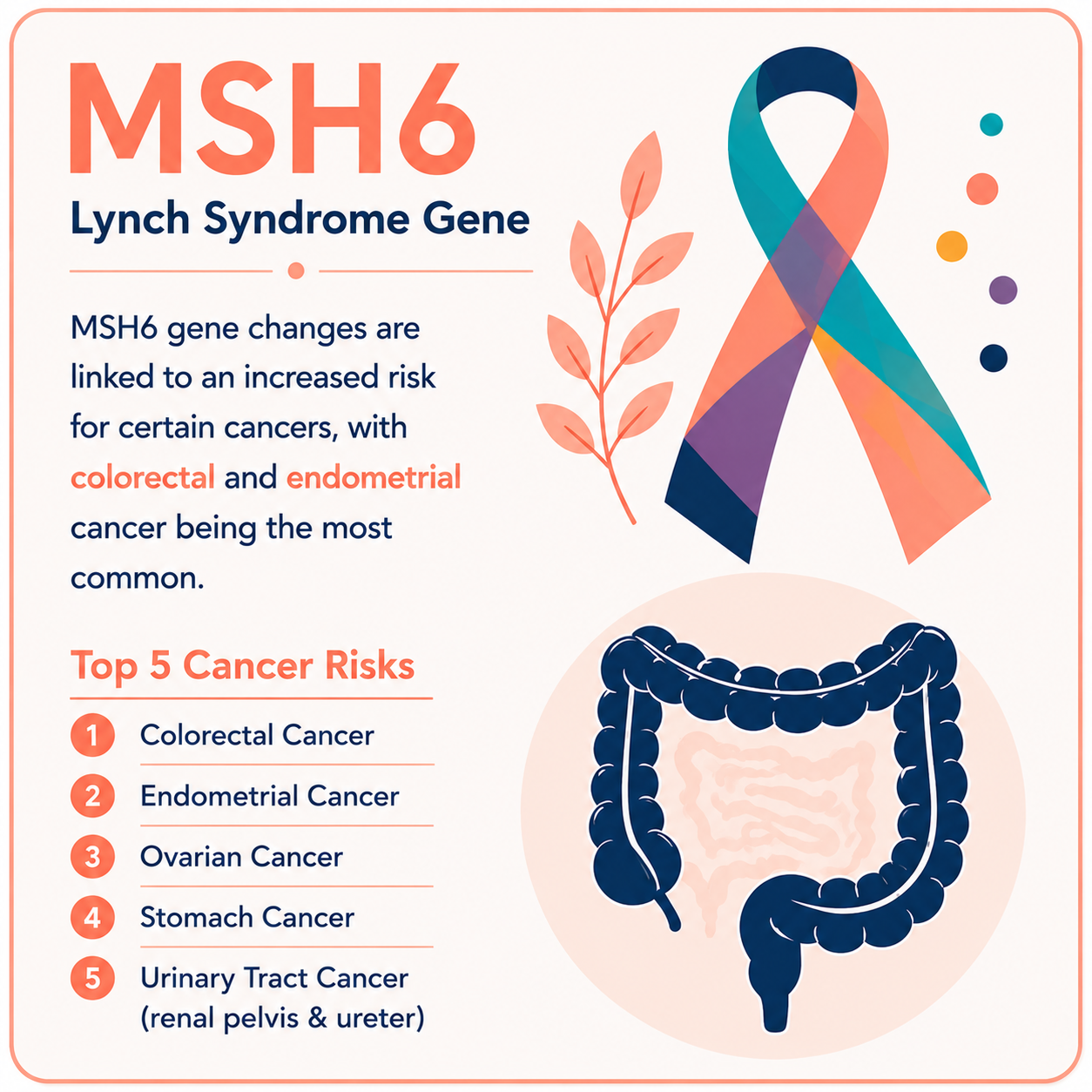
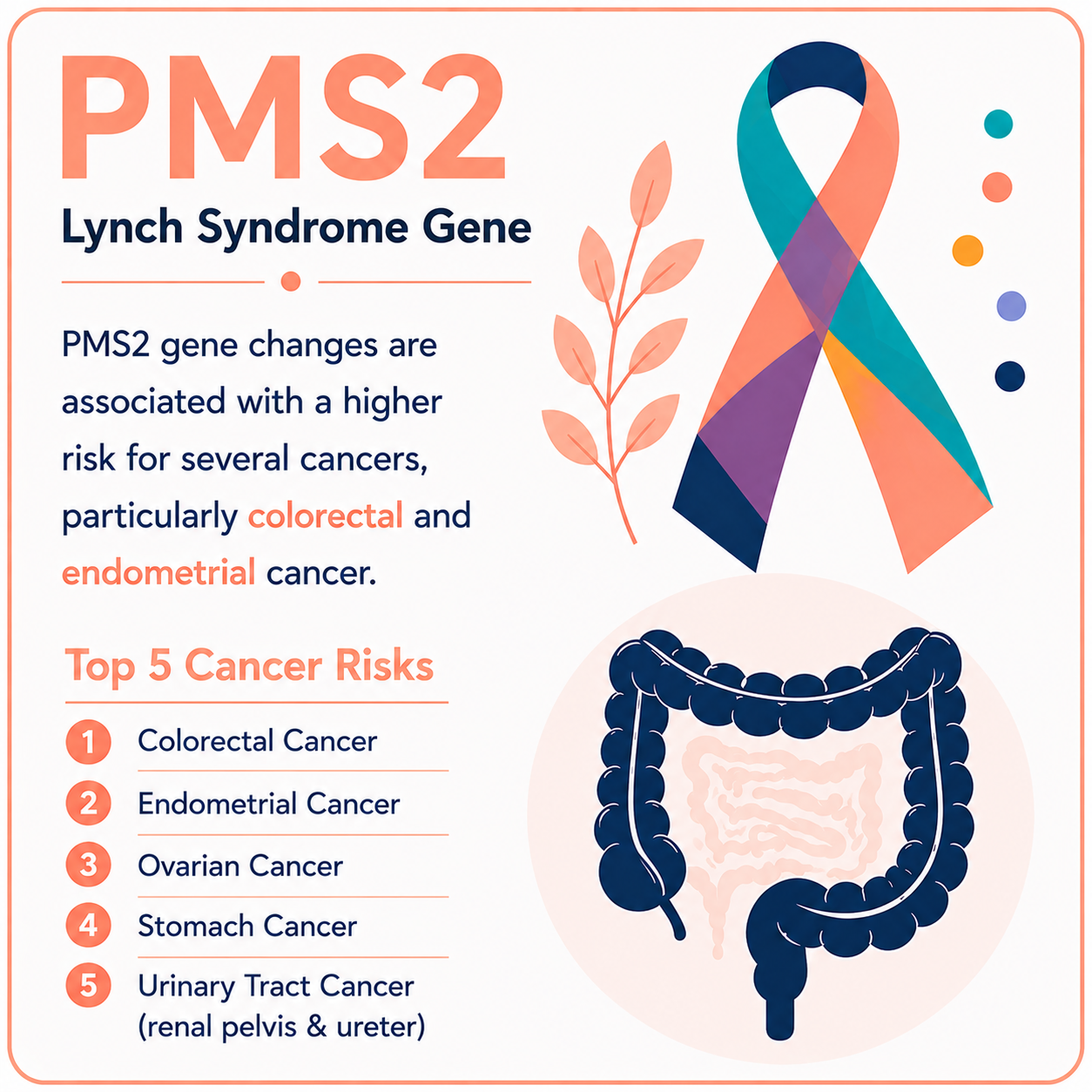
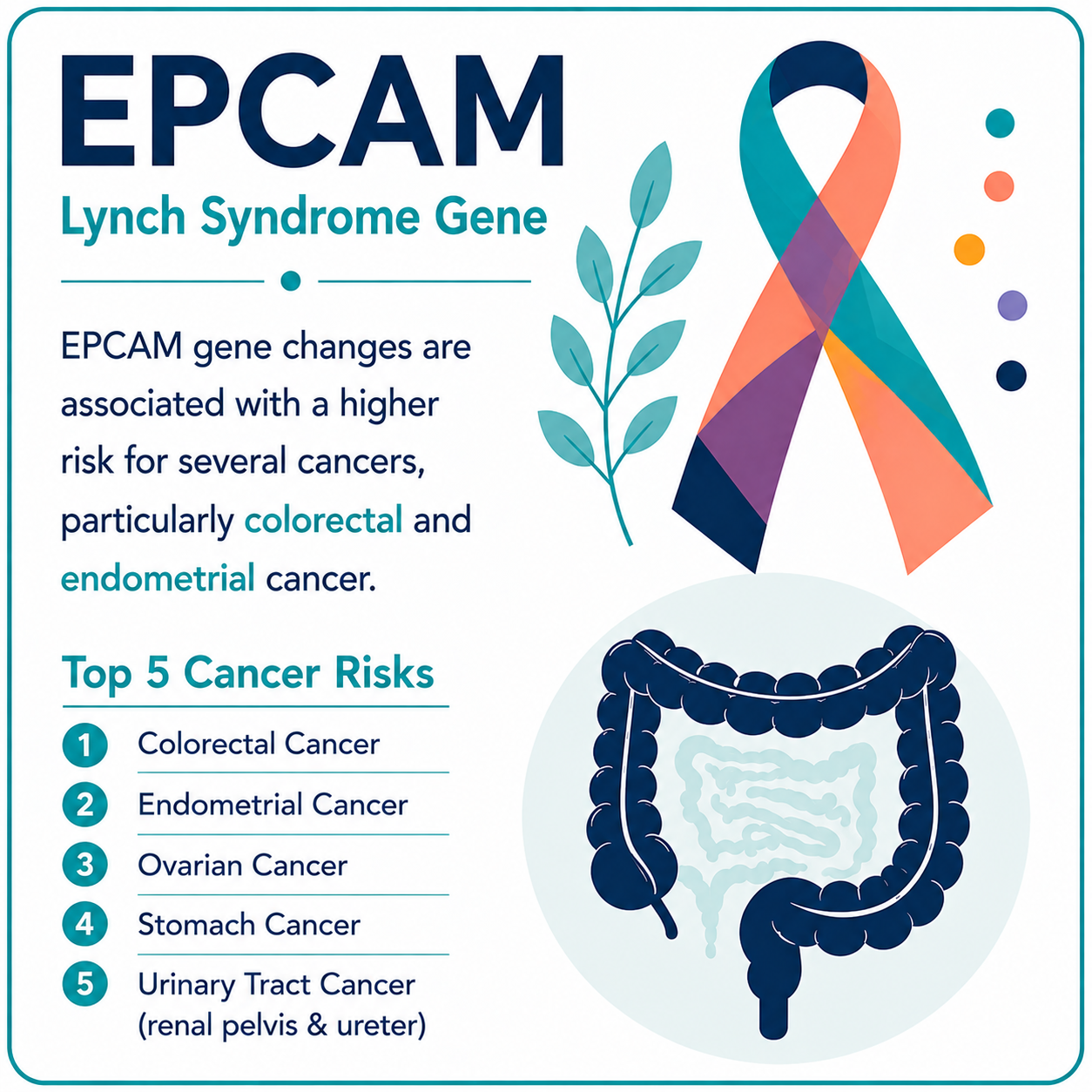
Colon & Rectal
Endometrial
Ovarian
Stomach
Small Bowel
Urinary Tract
Pancreatic
Biliary Tract
Brain
Certain Skin Cancers
Prostate
Thyroid
Cancer risks vary depending on the Lynch Syndrome gene involved, sex, age and family history.
NOTE: These cancers risks are according to the August 2026 NCCN data.
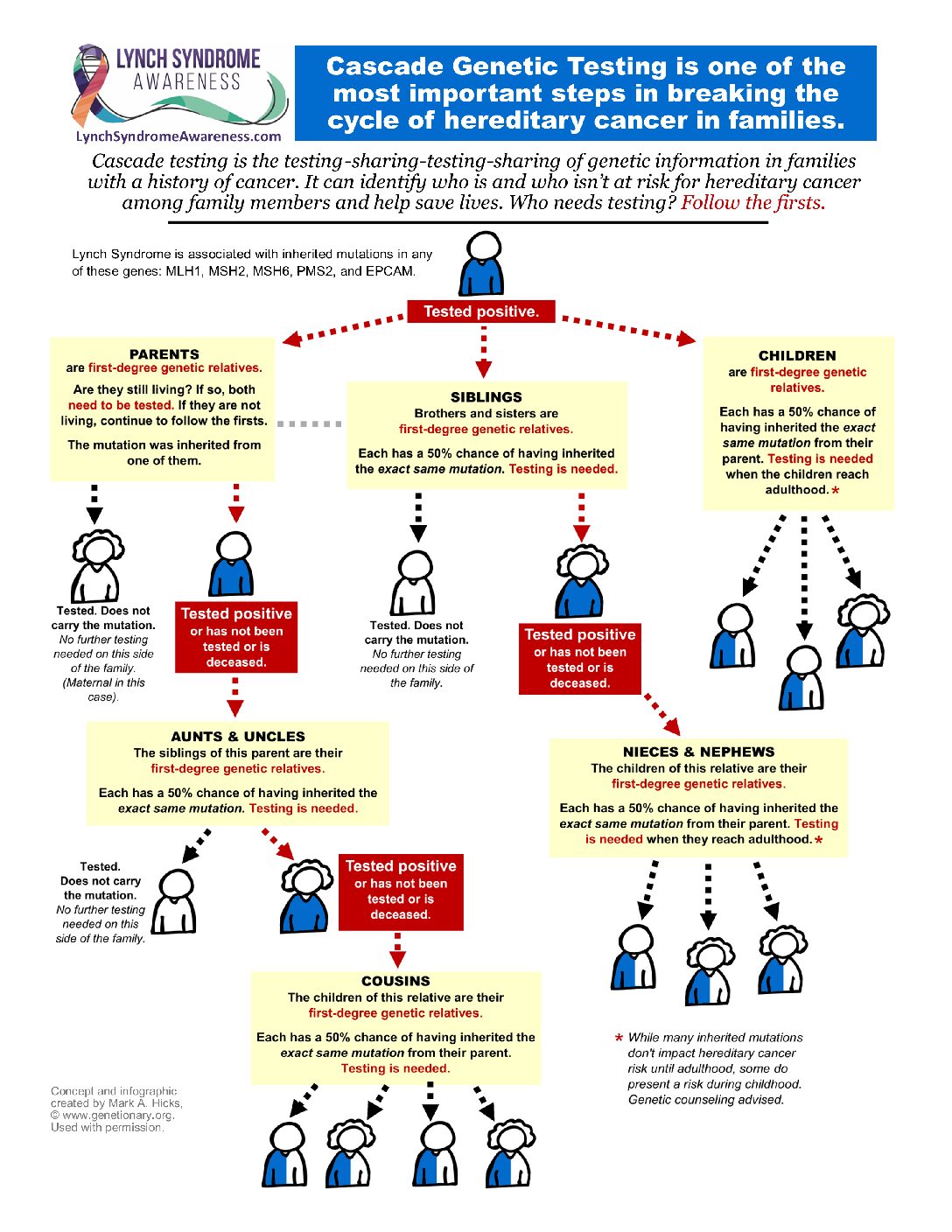
Family Cascade Testing and Why it Matters!
One diagnosis can protect an entire family.
When one person learns they have Lynch Syndrome, that information can help parents, siblings, children and extended family members understand their own inherited risk. Cascade testing gives relatives the opportunity to learn whether they carry the same genetic mutation—often before cancer develops.


This website is intended for informational purposes only and is not a substitute for professional medical advice, diagnosis or treatment. Please talk to your healthcare provider about any questions or concerns you may have regarding your health.
Help turn Awareness into ACTION
Every person who learns about Lynch Syndrome, shares information with family, participates in research, supports education, or helps another person find answers moves us closer to earlier detection and better outcomes.
Whether you choose to donate, volunteer, participate in research or clinical trials, share our resources, or simply start a conversation about hereditary cancer, your involvement matters.
Together, we can help more families know their risk, take action, and protect future generations.