Volunteer Genetic Counselor Advisory Board
Our volunteer genetic counselors support Lynch Syndrome Awareness and Education by sharing their expertise in hereditary cancer, genetic testing, and family communication. Their guidance helps shape our educational resources and outreach, helping individuals and families better understand Lynch syndrome and connect with genetic counseling services.
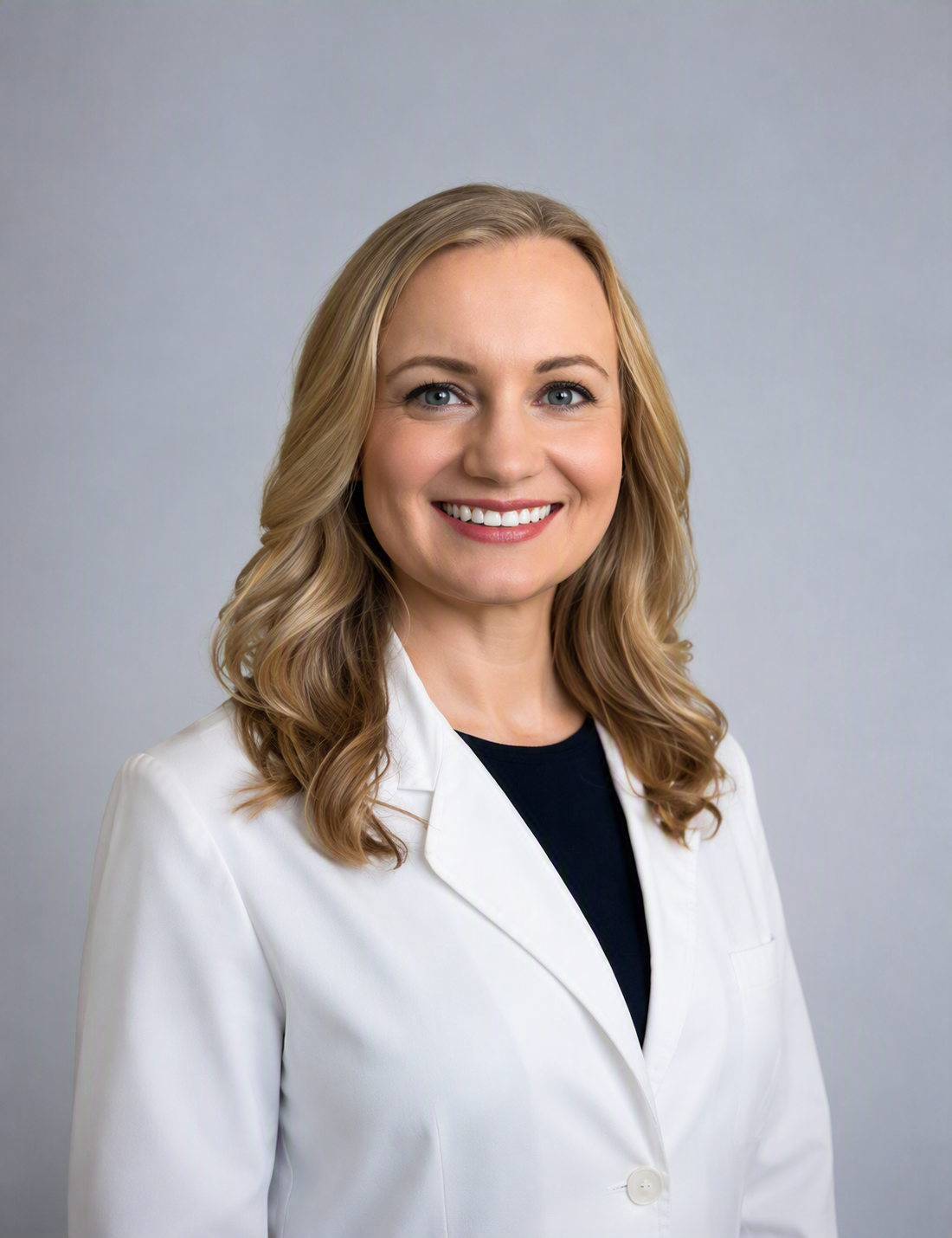
Jessica Long, MS, CGC, CGAF
Genetic Counselor | Penn Medicine University of Pennsylvania
Jessica Long, MS, CGC, CGAF, earned her Master’s degree in Human Genetics (Concentration in Genetic Counseling) from the University of Michigan and began her career in the University of Michigan Cancer Genetics Clinic in 2009.
Since 2012, she has been a cancer genetic counselor at Penn Medicine, working within the Mariann and Robert MacDonald Cancer Risk Evaluation Program, the Basser Center for BRCA, and the Gastrointestinal Cancer Genetics Program. She also serves as Director of Education and Outreach for the King Center for Lynch Syndrome at Penn Medicine’s Abramson Cancer Center.
Jessica has contributed to a number of peer-reviewed publications focused on genetic counseling, hereditary cancer syndromes, and polyposis. She is actively involved in the University of Pennsylvania Master’s Program in Genetic Counseling as a lecturer, thesis mentor, Co-Chair of the Clinical Education Committee, and clinical supervisor, and was recognized with the University of Pennsylvania MSGC Program’s Outstanding Supervisor Award in 2022.
As a member of the international professional organization Collaborative Group of the Americas on Inherited Gastrointestinal Cancer (CGA-IGC), she previously chaired the Education Committee, was recognized as a CGA-IGC Fellow in 2023, and currently serves in a leadership capacity as a CGA-IGC Council Member.
Jessica se ha comprometido a promover la formación de los pacientes, las familias y los profesionales sanitarios con el fin de facilitar la toma de decisiones informadas, optimizar los resultados sanitarios a lo largo de las generaciones y mejorar la atención y la calidad de vida de las personas con síndrome de Lynch.
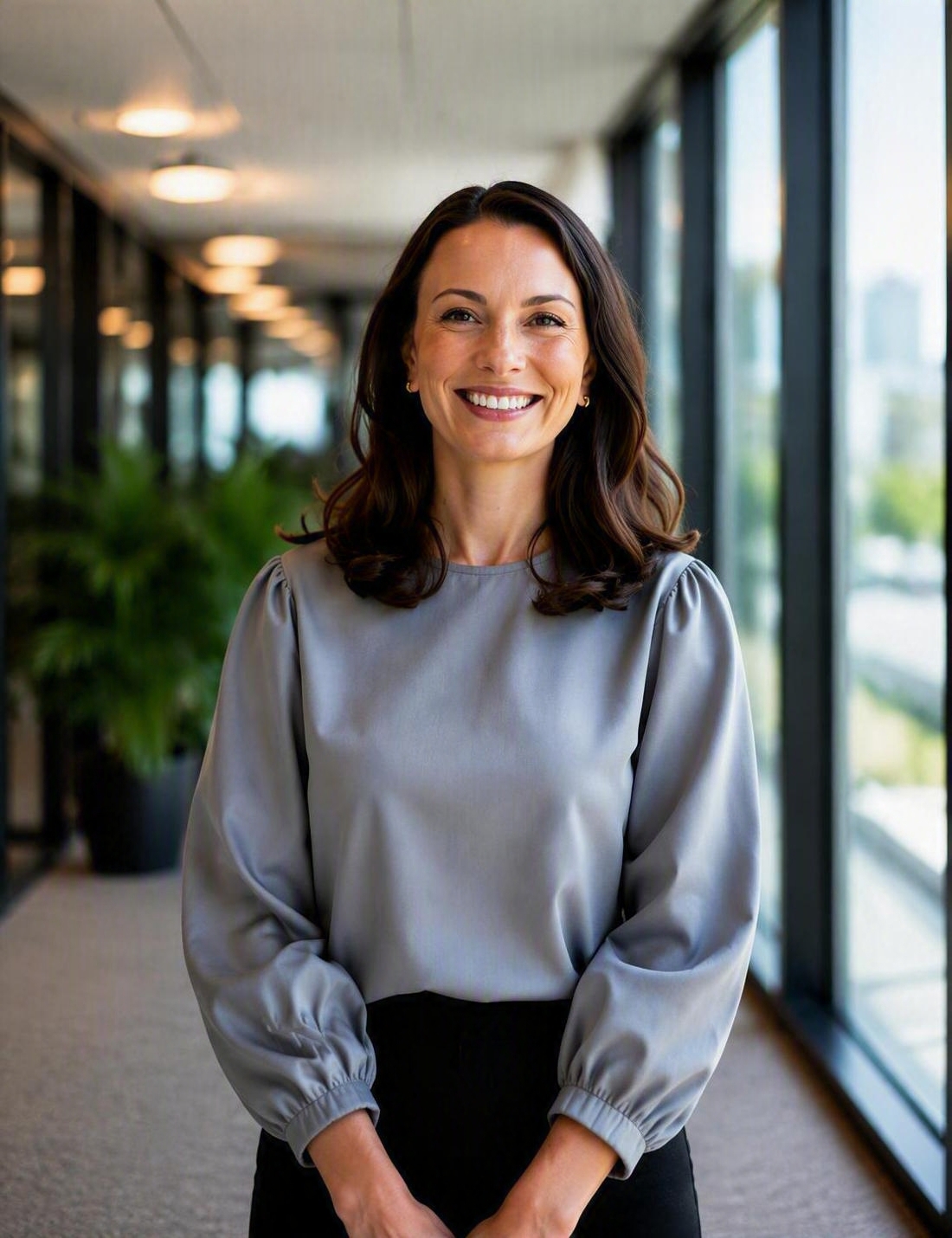
Sarah Burzynski
Genetic Counselor / Oncology Genetic Counseling
Sarah brings multispecialty genetic counseling experience, with a focus in cancer genetics, and expertise in hereditary cancer variant assessment and results interpretation. She is committed to supporting the Lynch syndrome community through LSAE’s advisory board and educational initiatives.
Sarah is a graduate of the University of North Carolina at Greensboro genetic counseling program. She has over four years of multispecialty clinical genetic counseling experience, with particular focus in cancer genetics.
In spring 2025, she transitioned to a role as an oncology clinical genomic scientist, where she applies her skills to variant assessment and results interpretation for hereditary cancer syndrome genetic testing.
Sarah currently resides in Atlanta, GA with her partner and beloved beagle. In her spare time, she enjoys playing ultimate frisbee, attending musicals and WNBA games, and cooking.
Sarah está deseando seguir prestando servicio a la comunidad del síndrome de Lynch como miembro del consejo asesor y apoyar las iniciativas de la organización.
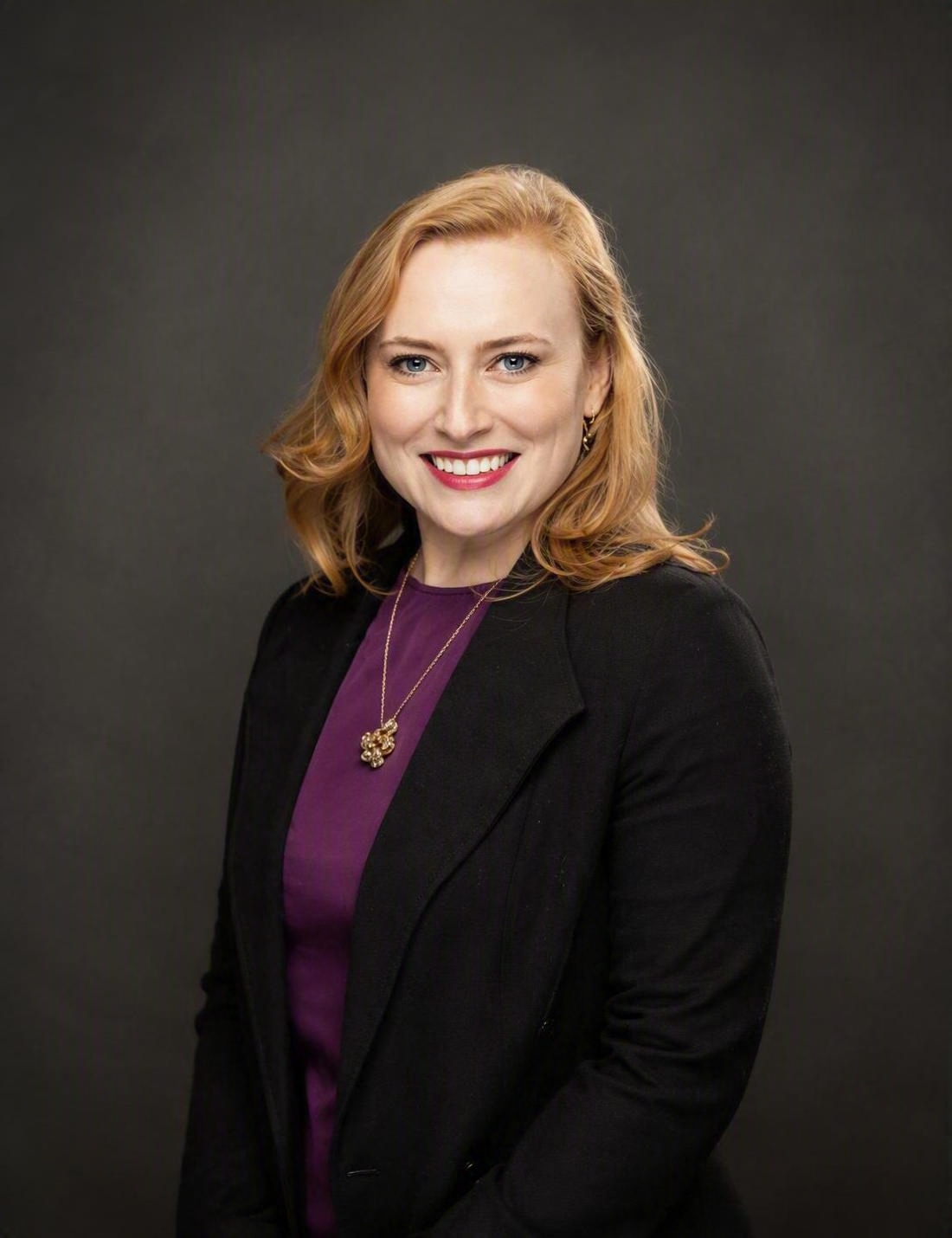
Emily Epstein, trabajadora social clínica licenciada
Weill Cornell Medicine / New York-Presbyterian Hospital
Emily Epstein, LMSW, es trabajadora social genética en el Programa de Genética y Prevención Personalizada del Cáncer de Weill Cornell Medicine / New York-Presbyterian Hospital. Desarrolló esta función dentro del programa y es una de las primeras personas a nivel nacional en formalizar el puesto de trabajadora social genética, dedicada a integrar la atención psicosocial en la prevención del cáncer hereditario y la medicina de precisión.
With a passion for bridging mental health and genetics, Ms. Epstein provides counseling, care coordination, and family support for individuals navigating hereditary cancer syndromes. Her work focuses on reducing psychosocial barriers to care, fostering peer connection, improving family communication, and developing scalable interventions that promote emotional wellbeing and health equity.
She has co-authored peer-reviewed publications and frequently presents her work nationally and internationally, advocating for patient-centered approaches that unite science, compassion, and innovation.